Amir Walter · 3 November 2026
Light Filtering Through Beech Leaves and Its Connection to Deer Movement Corridors in Hungarian Uplands
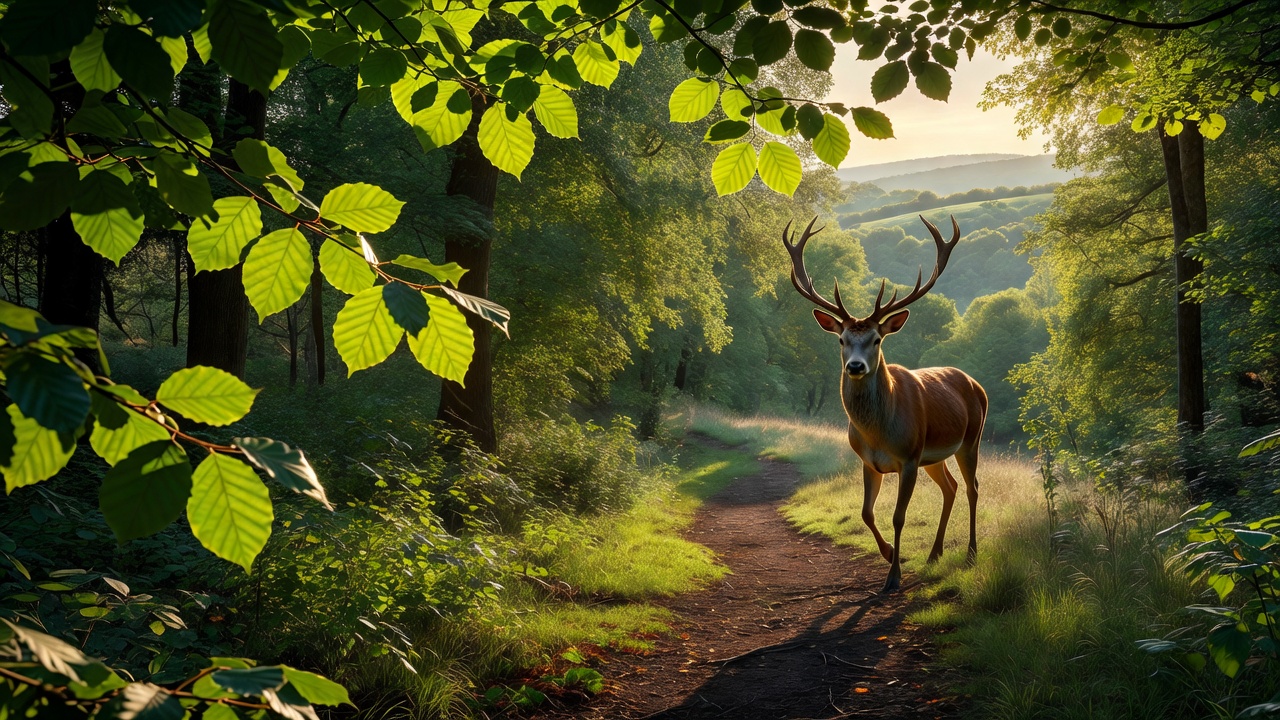
Researchers tracking wildlife in the Hungarian uplands have documented how sunlight passes through beech canopies and shapes the paths deer use during seasonal migrations, and data collected through 2026 continues to refine those observations. Beech stands dominate many slopes in the Bükk and Mátra ranges where filtered light reaches the understory in shifting patches that influence both plant growth and animal navigation.
Beech Canopy Structure and Light Transmission
Beech trees in these uplands develop dense leaf layers that allow only 2 to 5 percent of direct sunlight to reach the ground during full summer foliage, according to measurements taken by forest ecologists at multiple permanent plots. In November 2026 sensors recorded a gradual increase in light penetration as leaves turned and fell, creating temporary corridors of higher illumination along certain ridgelines. Those brighter zones coincide with areas where deer have been observed moving more frequently between feeding grounds and sheltered valleys.
Studies using hemispherical photography show that the angle of incoming light changes dramatically as solar elevation drops in late autumn, and this shift alters the location of sunflecks on the forest floor. Deer appear to favor routes where these sunflecks align with lower shrub density, reducing the energy cost of travel while still providing visual cover from predators.
Deer Corridor Mapping and Light Gradients
Wildlife biologists fitted red deer and roe deer with GPS collars across a 120-square-kilometer study area in the northern uplands, and the resulting movement data reveal consistent use of specific trails that run parallel to subtle light gradients. In sections where beech crowns create longer shadows during morning hours, deer crossings drop by measurable percentages compared with zones receiving earlier direct light.
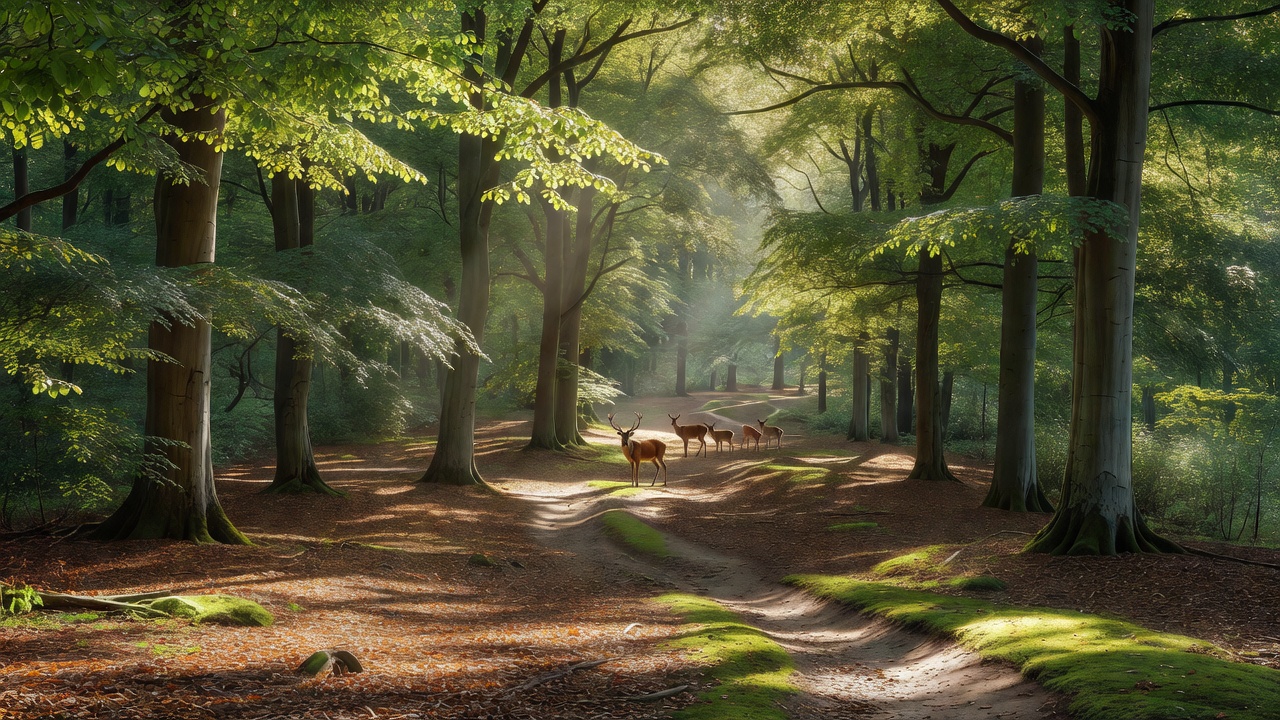
Thermal camera traps positioned along these corridors captured increased activity during twilight periods when light filtering through remaining leaves provides just enough contrast for safe navigation without full exposure. The same cameras recorded fewer crossings on trails that remained in deep shade throughout the day, suggesting animals select paths based on a combination of light availability and vegetation structure.
Seasonal Changes Recorded in 2026
Monitoring equipment installed by the Hungarian Forest Research Institute logged light levels at 15-minute intervals throughout 2026, and November readings showed a 35 percent rise in understory photon flux density compared with October values once leaf drop accelerated. This increase corresponded with a documented shift in deer movement timing, as animals extended daily travel distances by an average of 1.2 kilometers during the brighter window.
Soil moisture sensors placed along the same transects indicate that areas receiving more filtered light also experience faster drying of leaf litter, which in turn affects the scent trails deer rely on for orientation. Researchers note that these micro-environmental changes remain consistent year to year despite variations in rainfall totals.
Broader Ecological Context
Comparable patterns appear in beech-dominated forests monitored by teams in the Austrian Alps and the Polish Carpathians, where light transmission through canopies likewise correlates with ungulate trail placement. The Hungarian data add detail by linking specific light thresholds to corridor persistence across multiple generations of deer, as evidenced by repeated use of the same routes in successive autumns.
Remote sensing from satellites operated by the European Space Agency supplies canopy height models that researchers combine with ground-based light measurements to predict which new trails may emerge if beech regeneration alters light regimes. These models currently forecast stable corridor locations through at least 2030 under current management practices.
Conclusion
Observations compiled through November 2026 confirm that light filtering through beech leaves functions as one measurable factor guiding deer movement corridors in the Hungarian uplands, and continued sensor networks will track whether these relationships hold under future canopy conditions. The integration of collar data, light sensors, and remote imagery provides a growing record of how forest structure and animal behavior intersect in these landscapes.